
From Open Ditches to Engineered Systems: How Sanitary Sewers Changed the World
May 29, 2026
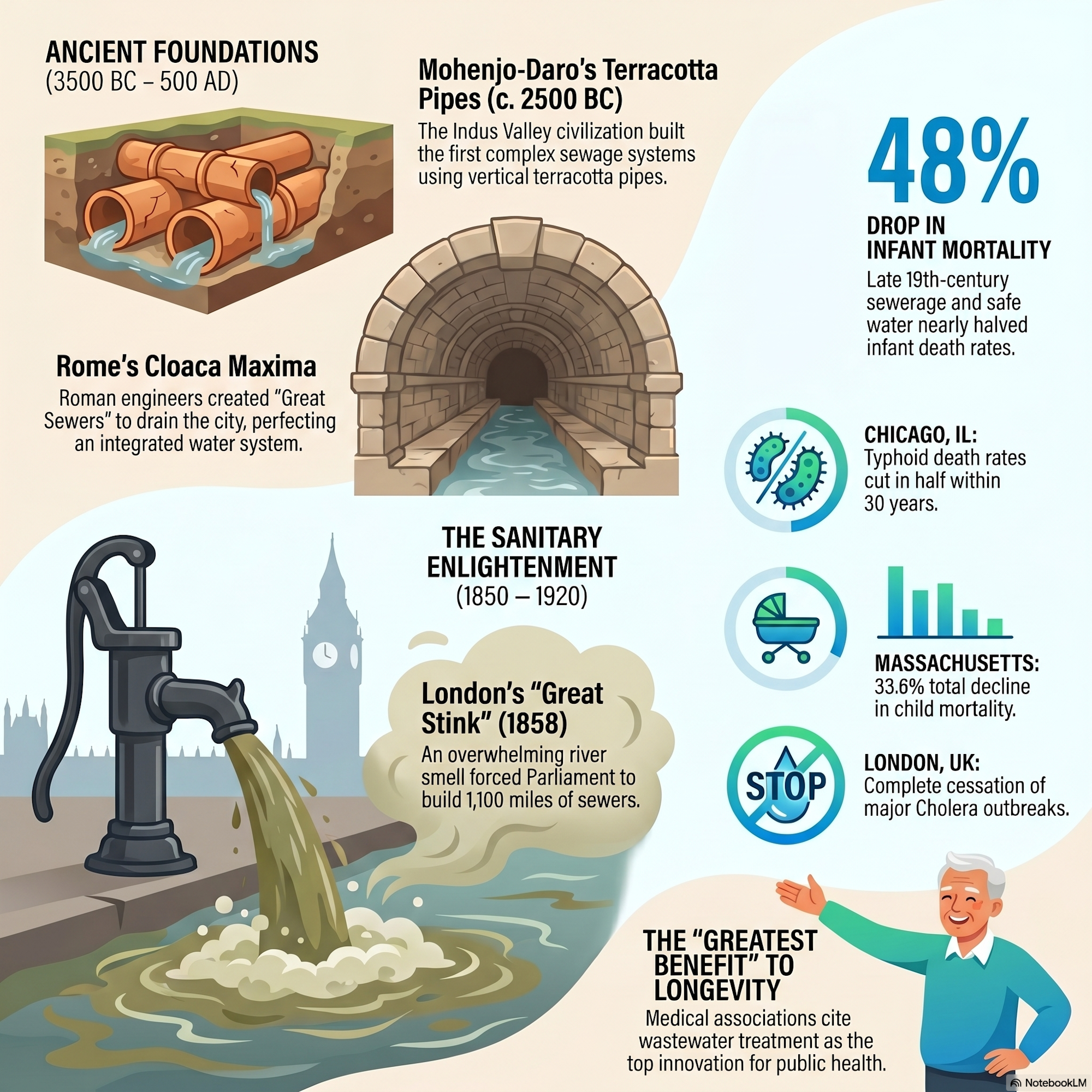
Modern sewer systems are easy to take for granted, but they remain one of the greatest public health advancements in history. From ancient clay pipes to today’s engineered wastewater systems, sanitary sewers transformed communities by reducing disease, improving sanitation, and supporting population growth.
Early innovations date back more than 4,000 years, with civilizations like the Indus Valley and ancient Rome developing some of the first organized wastewater systems. However, modern sewer infrastructure truly emerged in the 19th century following devastating disease outbreaks and sanitation crises, prompting communities to invest in safer wastewater collection and treatment.
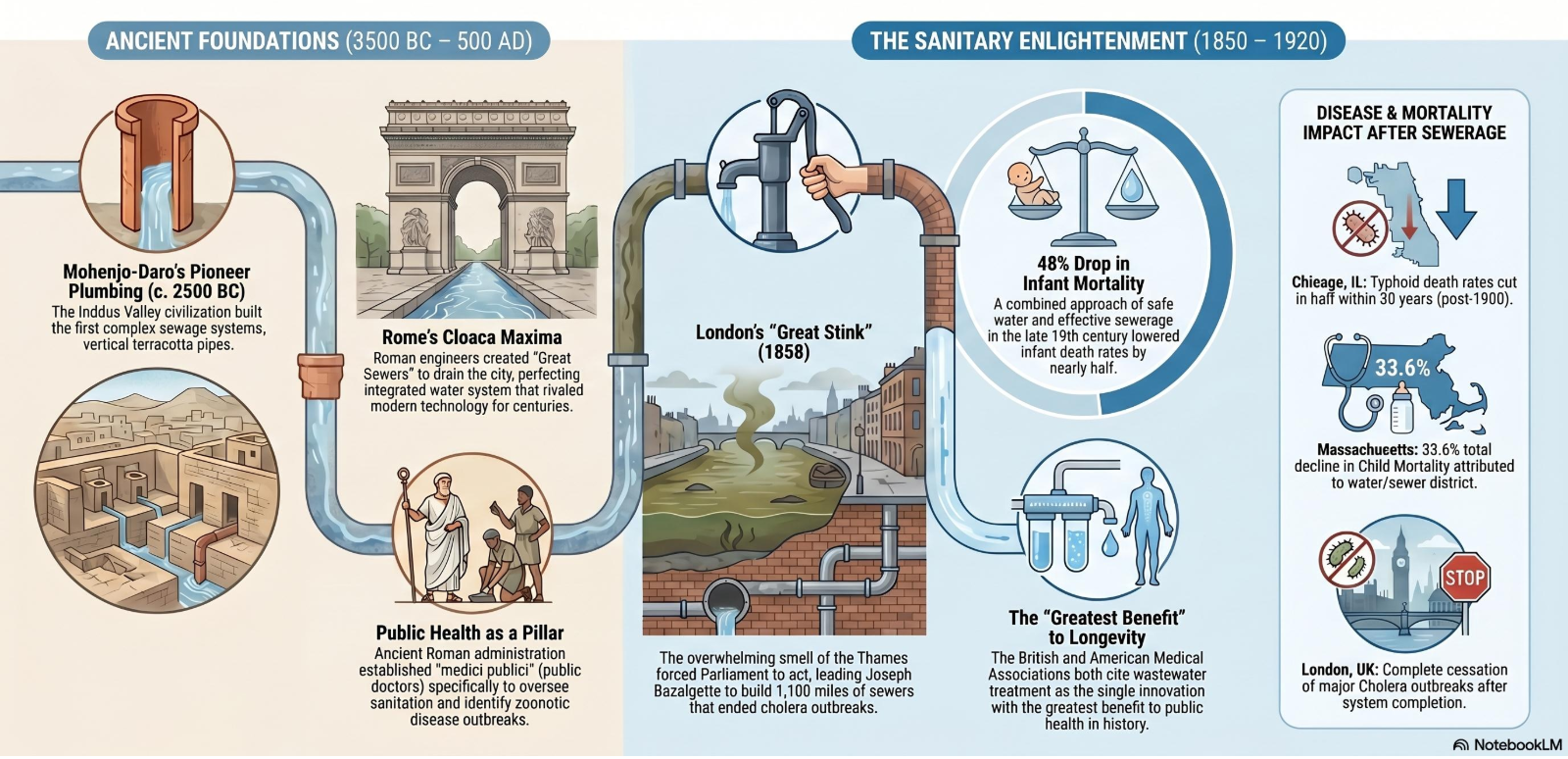
The impact has been profound. Reliable wastewater systems helped dramatically reduce diseases such as typhoid and cholera, improve environmental quality, and increase life expectancy. Today, wastewater treatment is widely recognized as one of the greatest public health achievements of modern society.
At the South Davis Sewer District, this legacy continues every day. While much of the work happens underground and out of sight, the District’s collection system and operations help protect public health and preserve water quality in the south portion of Davis County. Every pipe maintained, manhole inspected, and improvement completed plays a role in ensuring safe, reliable sewer service for current residents and future generations.
Sanitary sewers may be out of sight, but at the South Davis Sewer District, they are never out of mind.